
New Arrivals
Build what you imagine
Genuine components, kits, and tools for makers and engineers — curated for reliability.
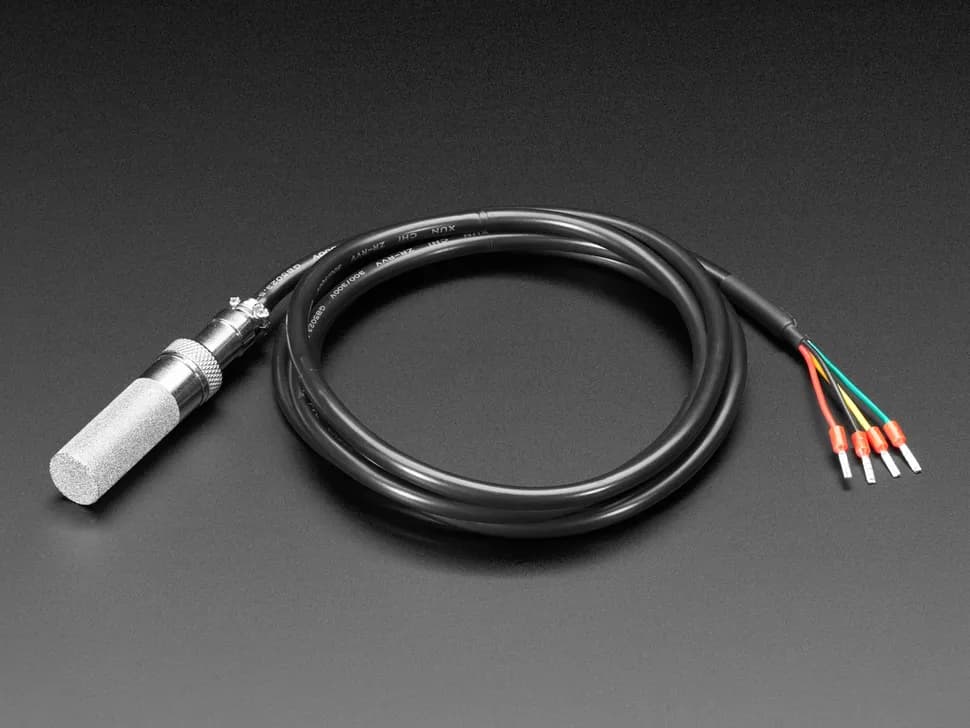
Genuine components, kits, and tools for makers and engineers — curated for reliability.
Single-board computers, sensors, and dev tools chosen by engineers who use them.
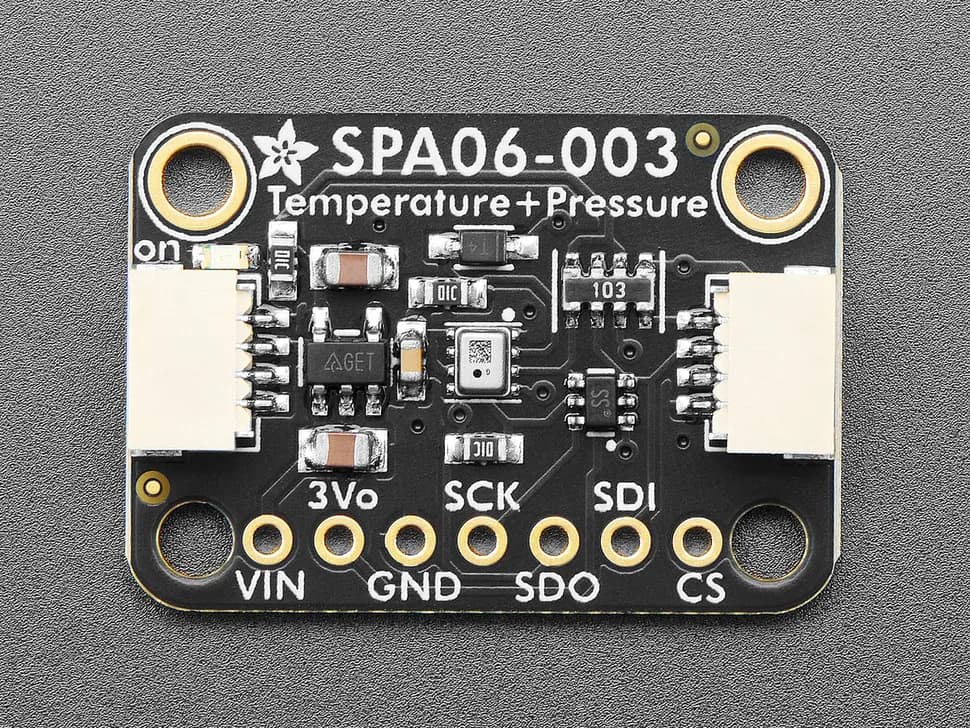
Free shipping over ₹999 across India, with maker-friendly support Mon–Sat.
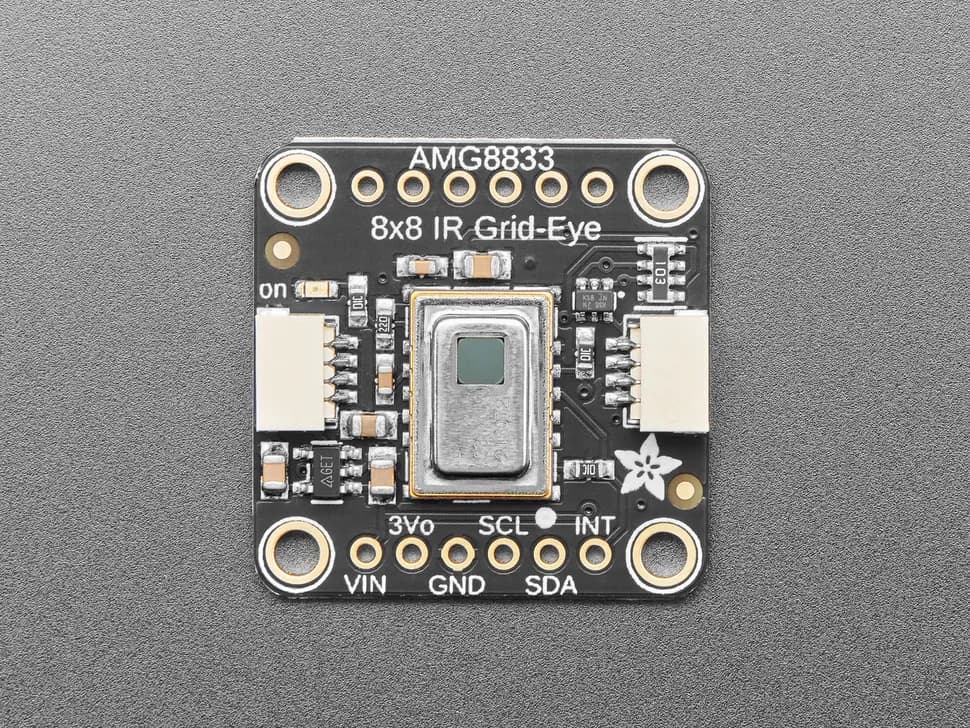
Fast, compact computing for automation, media, servers, robotics, and IoT projects.
Quality First
Genuine components from trusted brands
Free Shipping
On orders over ₹999 across India
Expert Support
Maker-friendly help, Mon–Sat
Secure Checkout
Trusted payments & buyer protection
SKU: TH2073
In StockSKU: TH2074
In StockSKU: TH2075
In StockSKU: TH2078
Sold OutTips, tutorials, and updates from the maker community
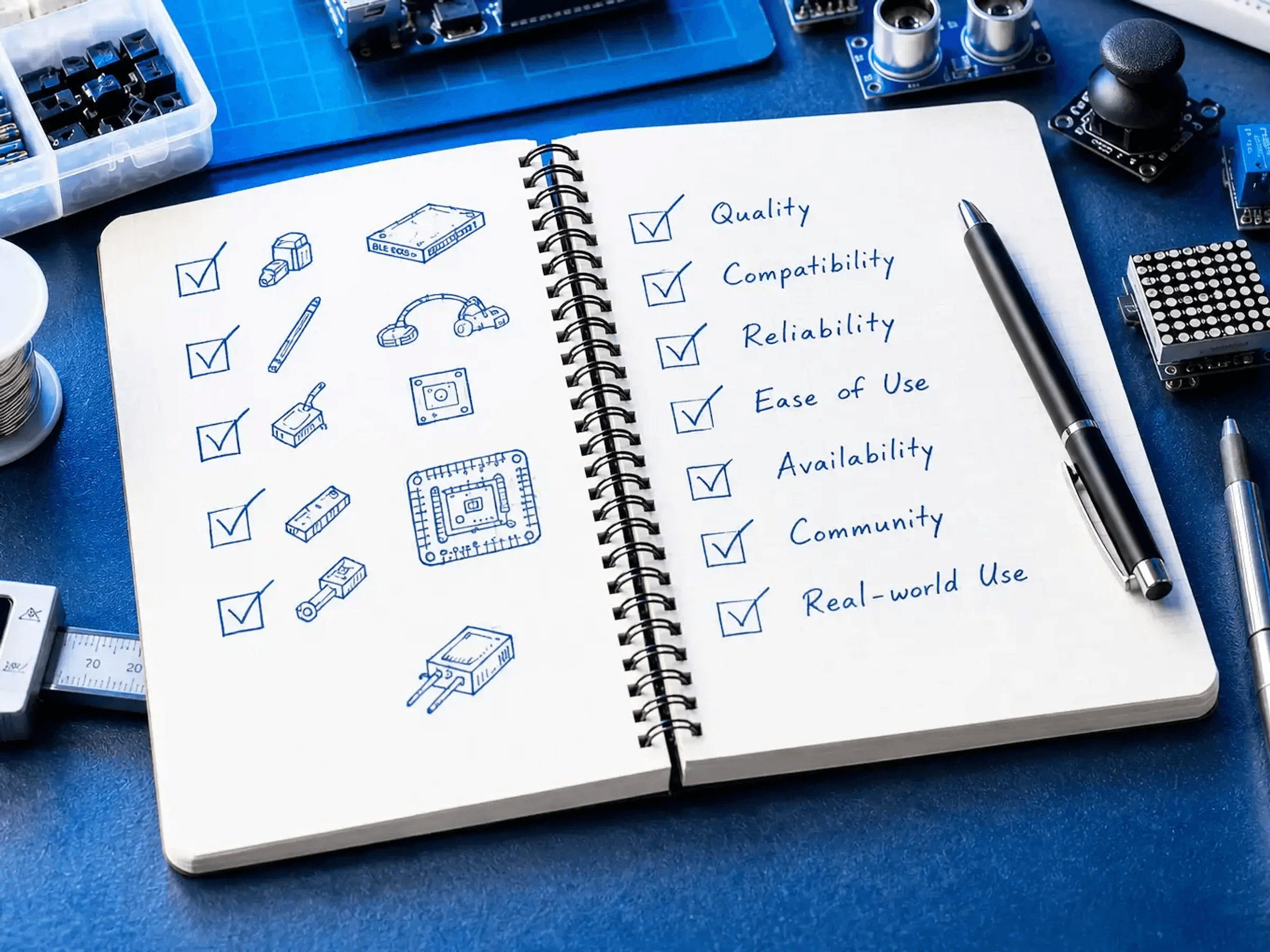
At Thingbits, choosing products is not just about adding more items to a catalogue. It is about finding parts, tools, modules, and machines that makers can actually use with confidence. Here is how we decide what deserves a place on our shelves.
How-tos, tutorials, and practical walkthroughs
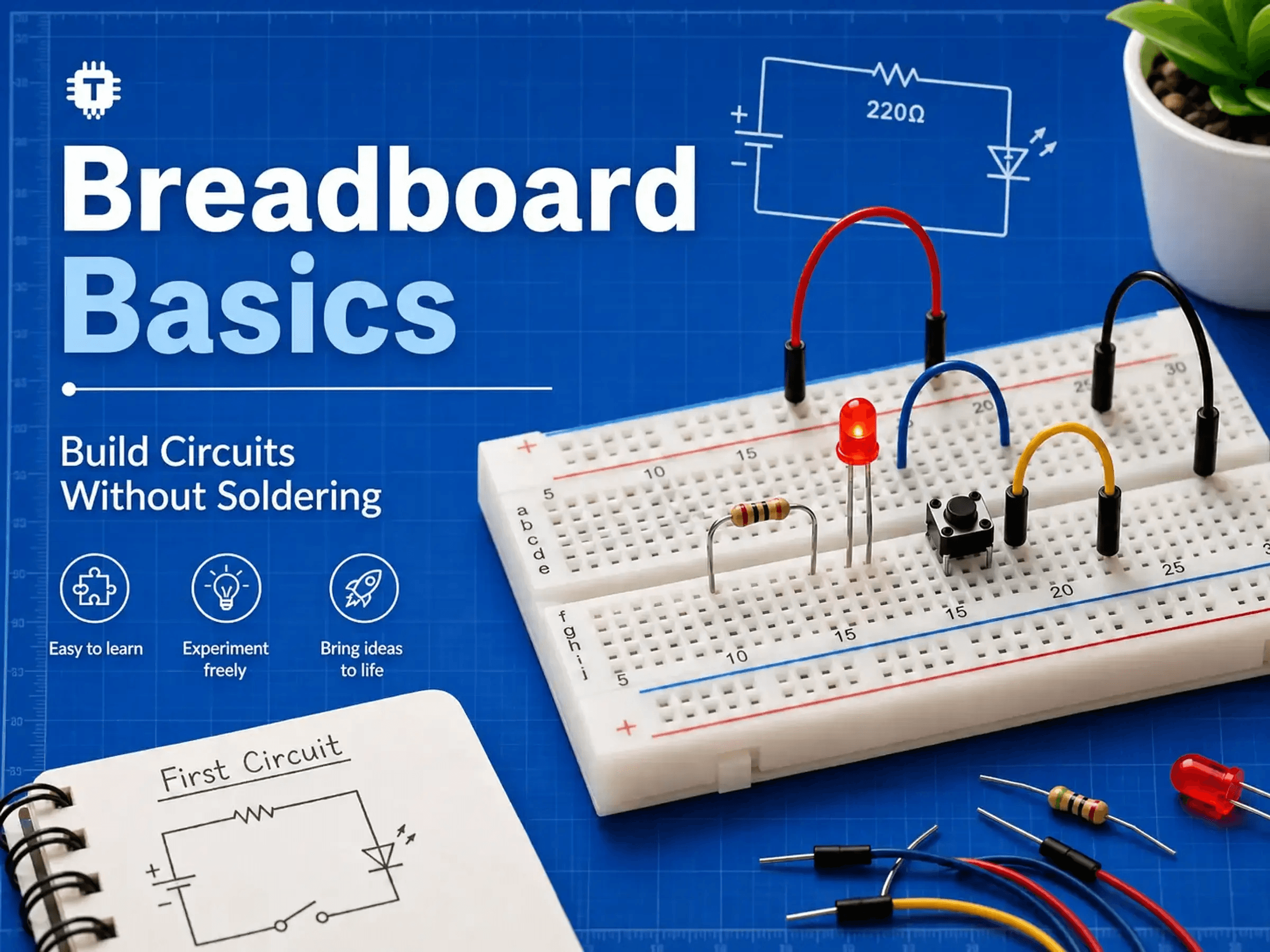
Learn how a breadboard works, how its rows and power rails are connected, and how to build simple circuits without soldering. Perfect for beginners starting with LEDs, sensors, Arduino, ESP32, Raspberry Pi Pico, and other electronics projects.




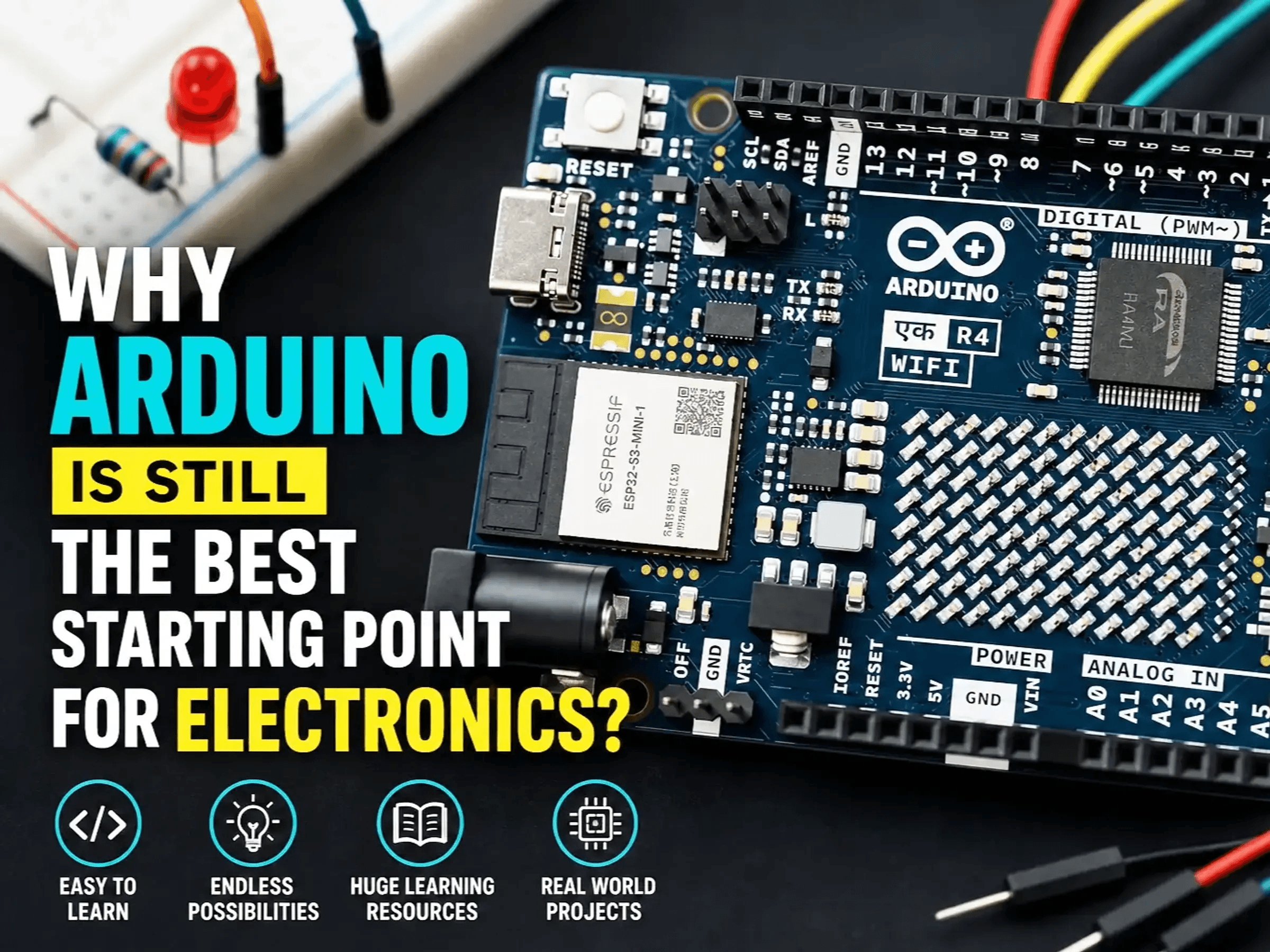
Arduino remains one of the best ways to start learning electronics because it combines simple hardware, beginner-friendly software, thousands of tutorials, and a huge component ecosystem. Here’s why it still deserves a place on every maker’s first workbench.
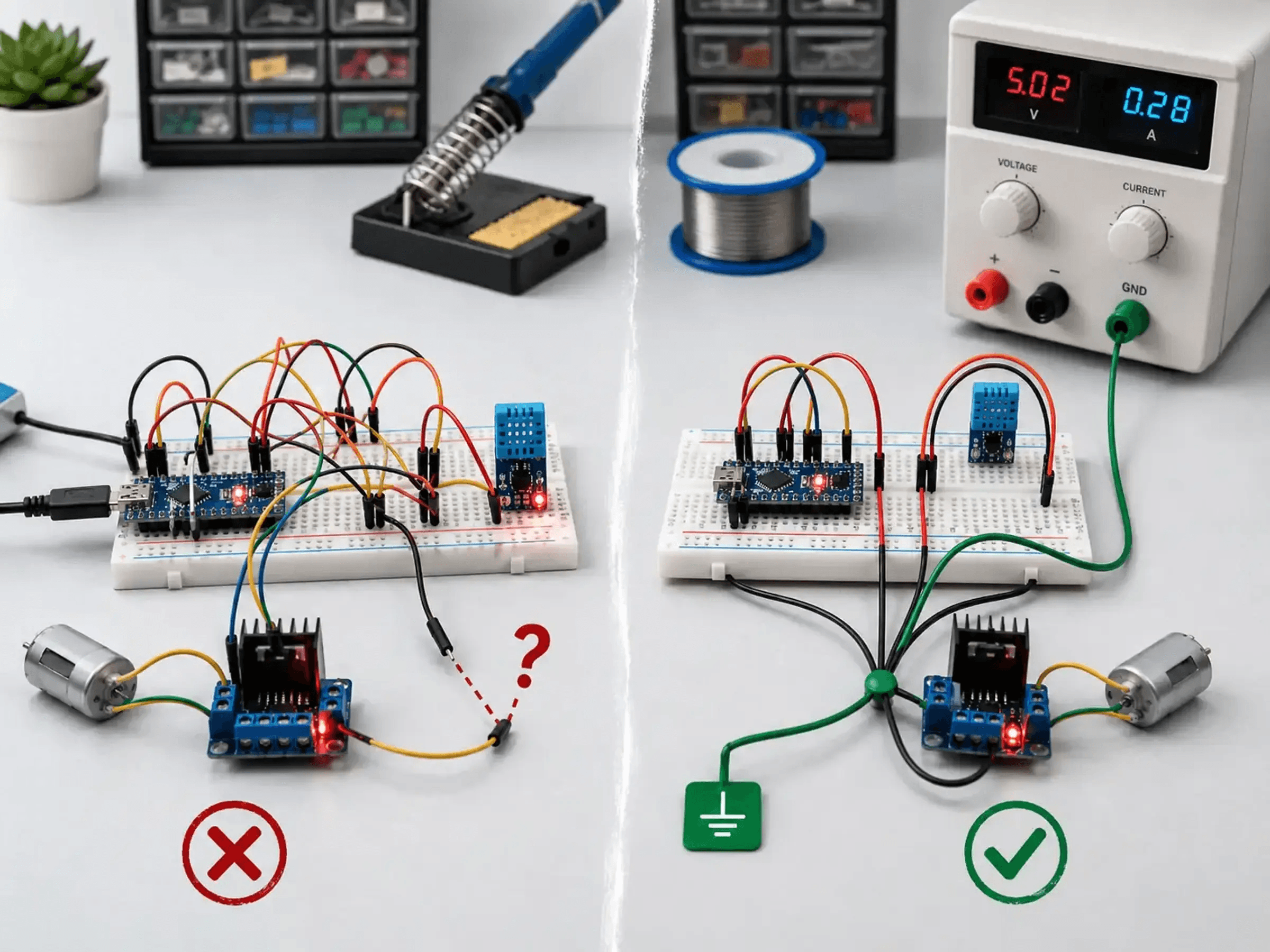
Grounding mistakes are one of the most common reasons beginner electronics projects behave strangely. In this guide, learn why common GND matters, how bad grounding causes random sensor readings and resets, and how to wire Arduino, sensors, motors, and modules more reliably.
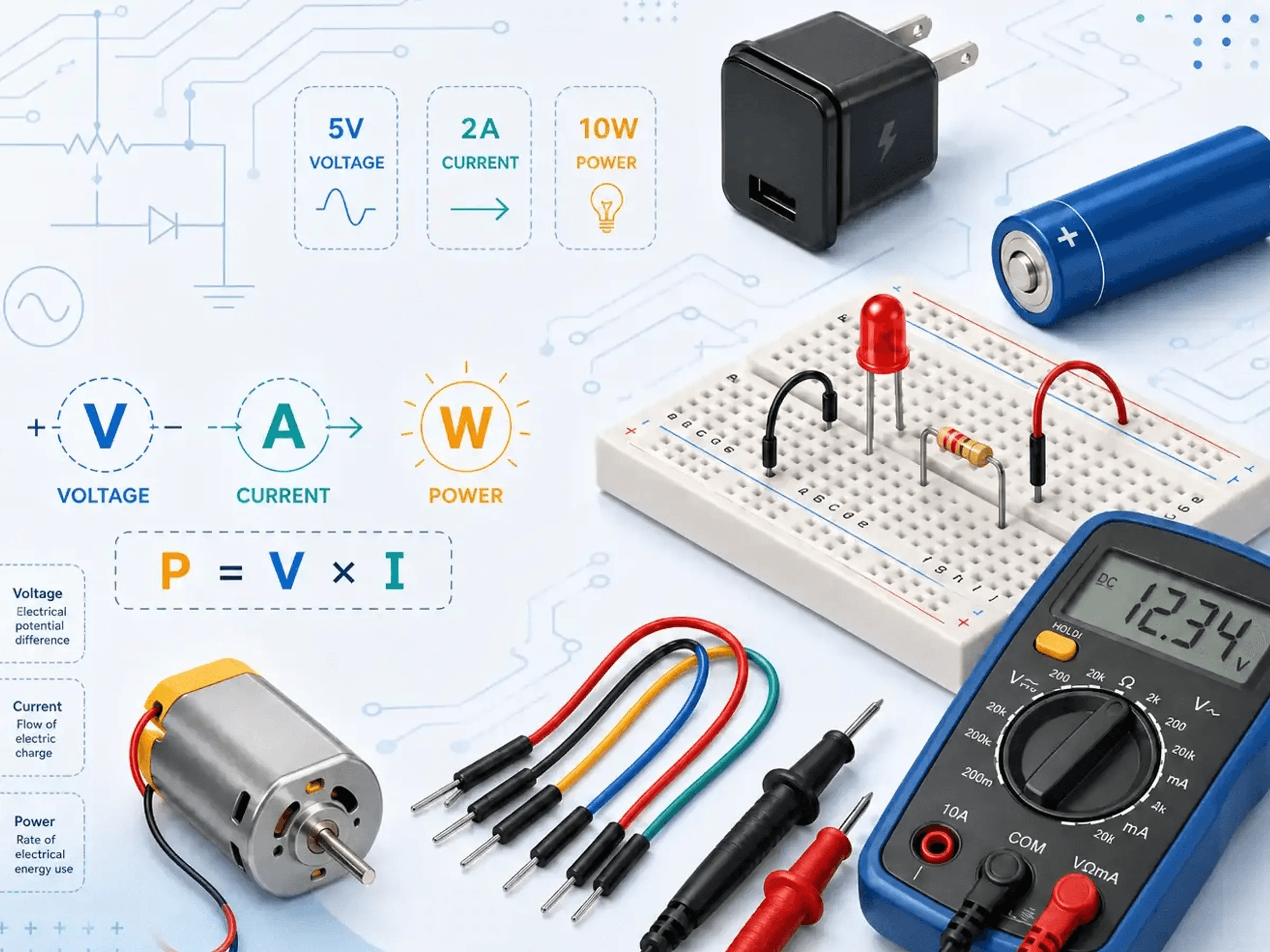
Confused by 5V, 2A, watts, adapters, batteries, and power ratings? This practical guide explains voltage, current, and power in simple terms, with real examples for Arduino, Raspberry Pi, LEDs, motors, sensors, and everyday electronics projects.
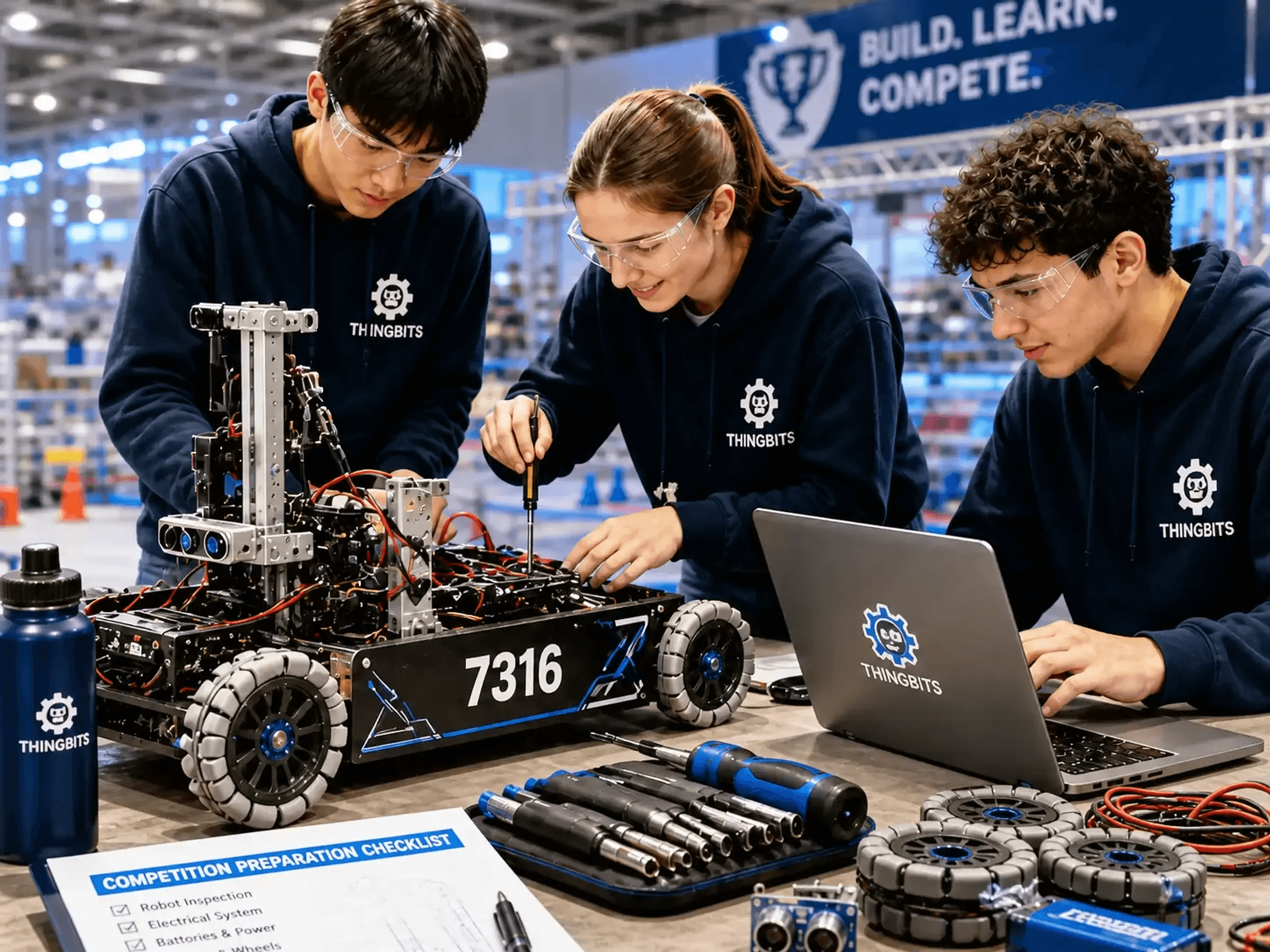
Getting ready for a robotics competition? Use this practical checklist to prepare your robot, code, tools, spare parts, batteries, sensors, team roles, and final match-day routine before the event.